
Services
Services

Evaluations
A speech and language evaluation is the first step in understanding your child’s communication strengths and areas of need. During the evaluation, I use a combination of standardized assessments, informal observations, play-based interaction, and parent input to get a complete picture of your child’s communication skills.
The evaluation looks at how your child understands language, expresses ideas, produces speech sounds, and interacts socially. Afterward, you will receive clear feedback, recommendations, and a personalized therapy plan tailored to your child’s goals.
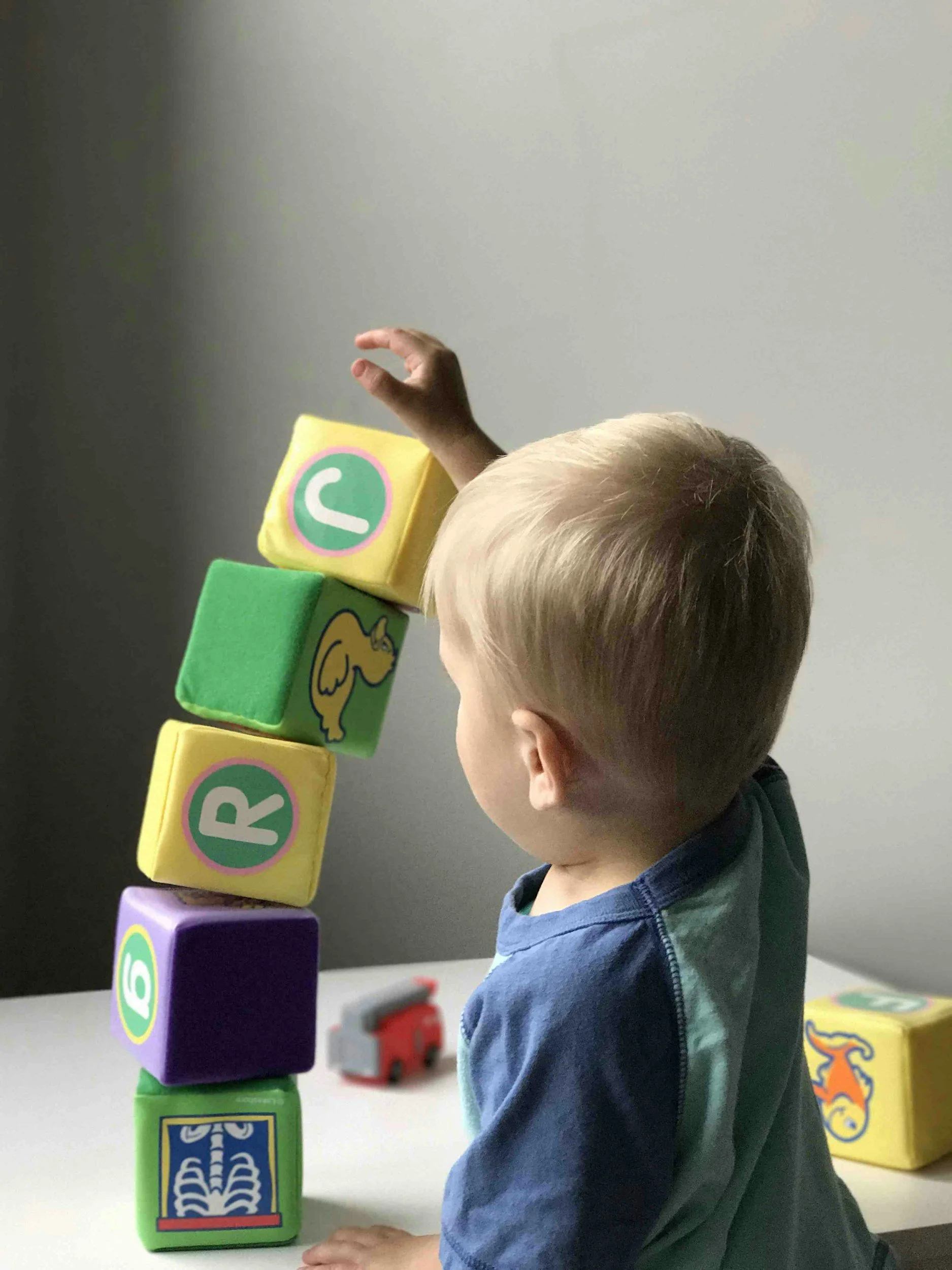
Expressive Language
Expressive language refers to how a child communicates their thoughts, ideas, and needs using words, sentences, and conversation.
Therapy may target:
Vocabulary development
Sentence structure and grammar
Expanding sentence length and complexity
Answering and asking questions
Storytelling and narrative skills
Organizing thoughts for clear communication
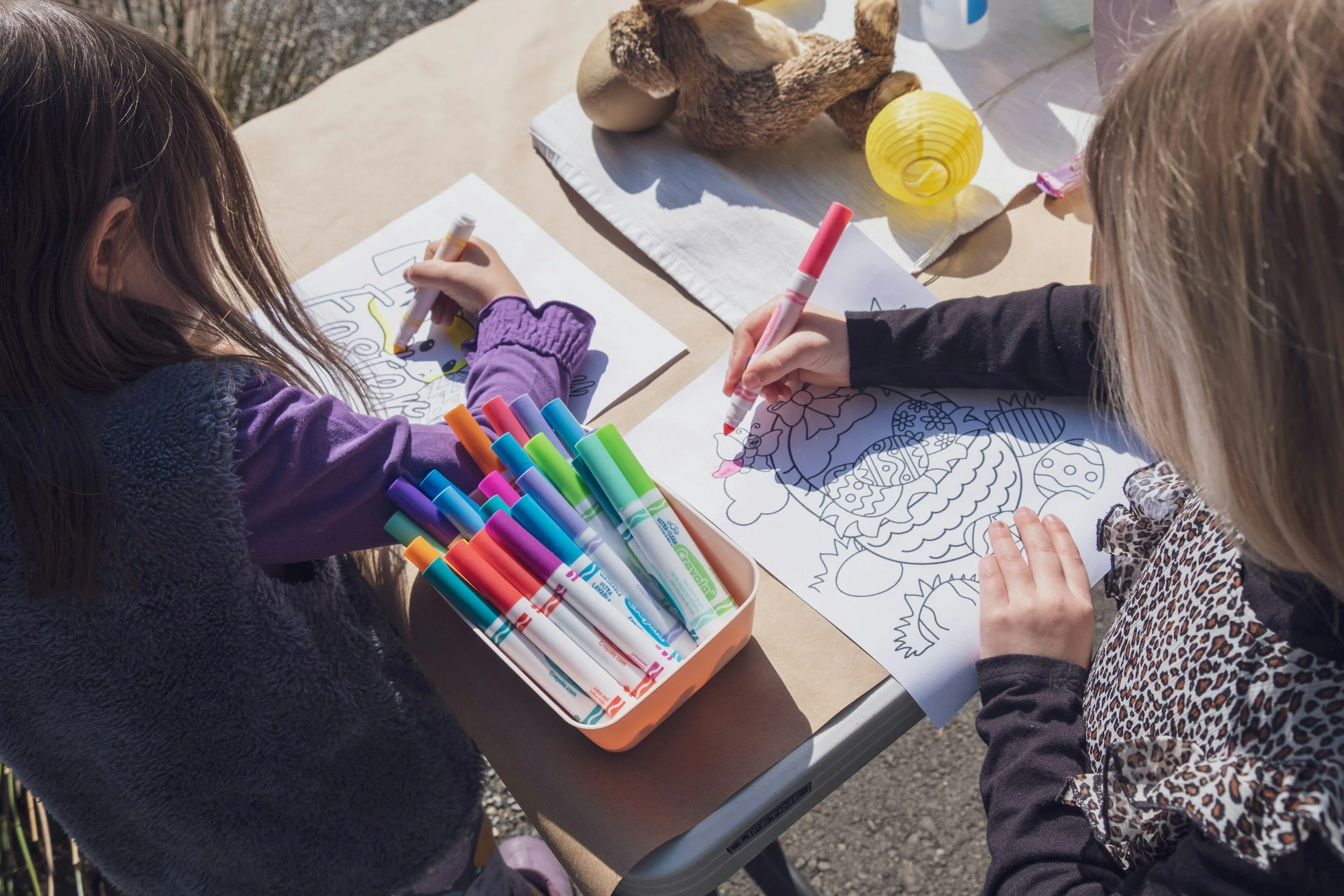
Receptive Language
Receptive language is a child’s ability to understand spoken language and process information they hear.
Therapy may focus on:
Following directions (simple to multi-step)
Understanding vocabulary and concepts
Listening comprehension
Understanding questions (who, what, where, why, how)
Processing classroom language
Understanding stories and spoken information
Comprehending abstract or figurative language

Articulation
Articulation therapy helps children produce speech sounds clearly so they can be easily understood by others.
Therapy may include:
Correct production of specific speech sounds
Sound placement and motor planning
Reducing speech sound errors and patterns
Improving speech clarity and intelligibility
Carryover of correct sounds into conversation

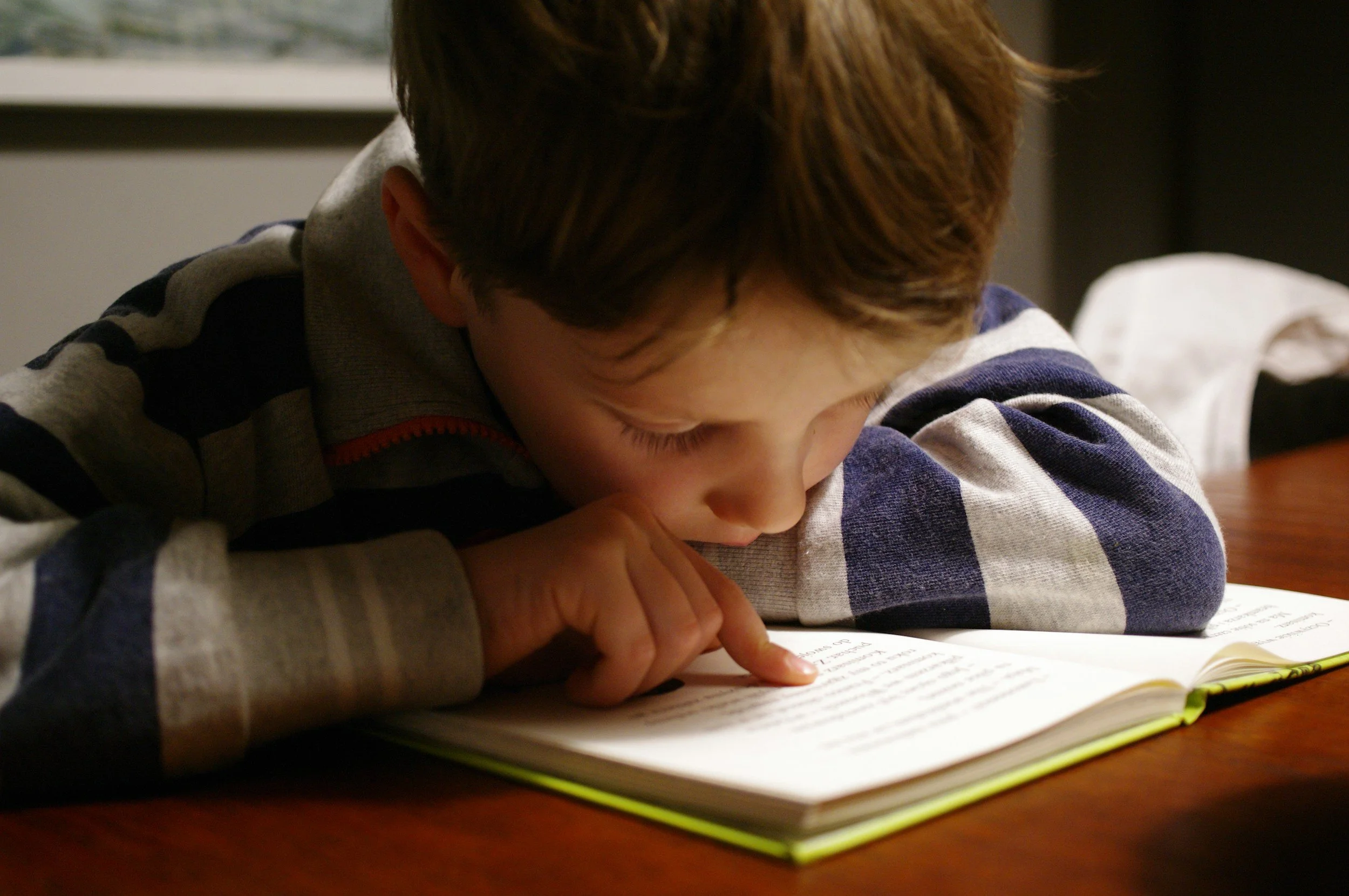
Social Skills (pragmatic Language)
Social communication skills help children interact appropriately and confidently with others in a variety of settings.
Therapy may address:
Conversational skills (starting, maintaining, and ending conversations)
Turn-taking and topic maintenance
Understanding social cues and body language
Perspective-taking and problem solving
Flexible thinking
Friendship skills
Reading Instruction
Reading instruction is individualized and based on the principles of the Orton-Gillingham approach, a structured, multisensory method of teaching reading. Instruction is tailored to each child's current skill level and designed to build strong foundational literacy skills.
Instruction may target:
Phonemic awareness
Letter-sound correspondence
Decoding (reading unfamiliar words)
Encoding (spelling)
Reading fluency
Reading comprehension
Vocabulary development
Multisensory strategies to reinforce learning

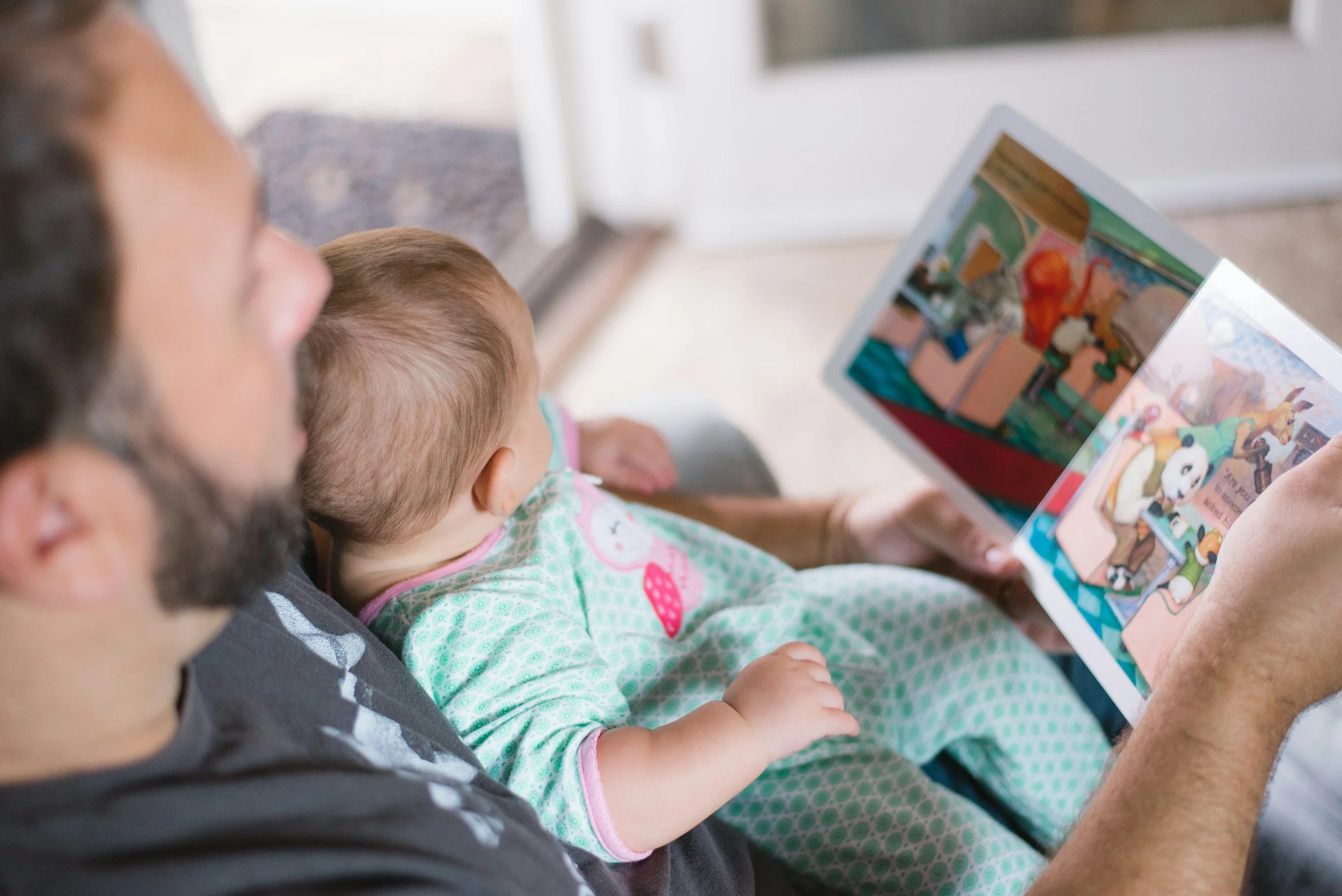
Selective Mutism
Selective mutism is an anxiety-based condition where a child who speaks comfortably in some situations (such as at home) has great difficulty speaking in others, most commonly at school or in social settings. Parents and teachers may notice that a child who talks freely at home becomes very quiet, avoids speaking, or seems unable to talk in the classroom.
Speech therapy for selective mutism focuses on helping children gradually build confidence speaking in new environments. Using gentle, step-by-step strategies, therapy helps reduce anxiety around speaking and supports children in becoming more comfortable communicating with teachers and peers.
Collaboration with families and schools is an important part of treatment so that children can practice communication skills in the places where they need them most.
The goal is to help children feel confident using their voice and participating fully in school and social situations.
Parent Consultation and Coaching
Parents play an essential role in their child's communication development. Parent coaching provides practical strategies and individualized guidance so families can confidently support their child's progress at home and in everyday routines.
Parent coaching may include:
Understanding your child's communication strengths and challenges
Strategies to encourage language development at home
Building communication into daily routines
Managing communication breakdowns and frustration
Supporting social communication skills
Home programs and individualized practice activities
Collaboration with teachers and other professionals
Answering questions and providing ongoing support
The goal is to empower parents with practical tools that make communication practice feel natural, effective, and sustainable.